
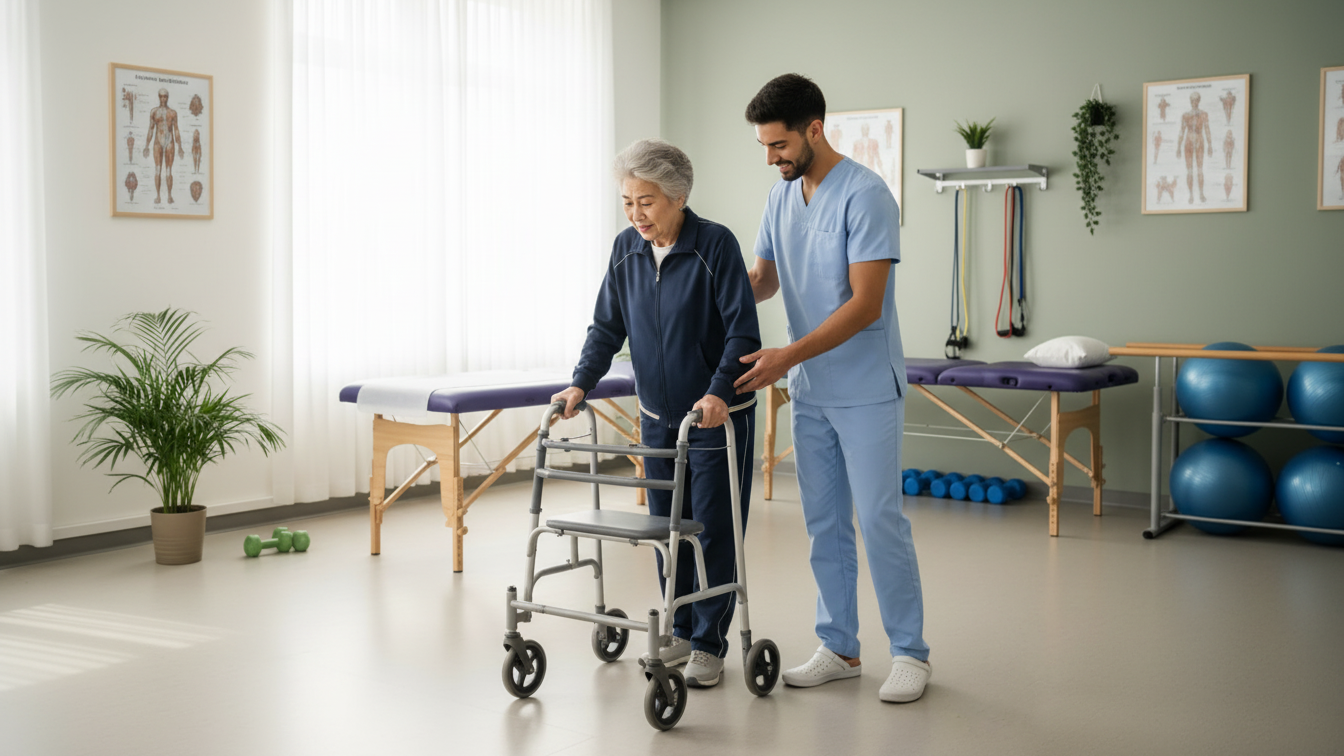
Chronic & Systemic Conditions
Helping people manage long-term health conditions with movement-based care that improves function, reduces discomfort, and supports everyday independence.
Service Details
Chronic & Systemic Conditions
Helping people manage long-term health conditions with movement-based care that improves function, reduces discomfort, and supports everyday independence.

Who It Is For
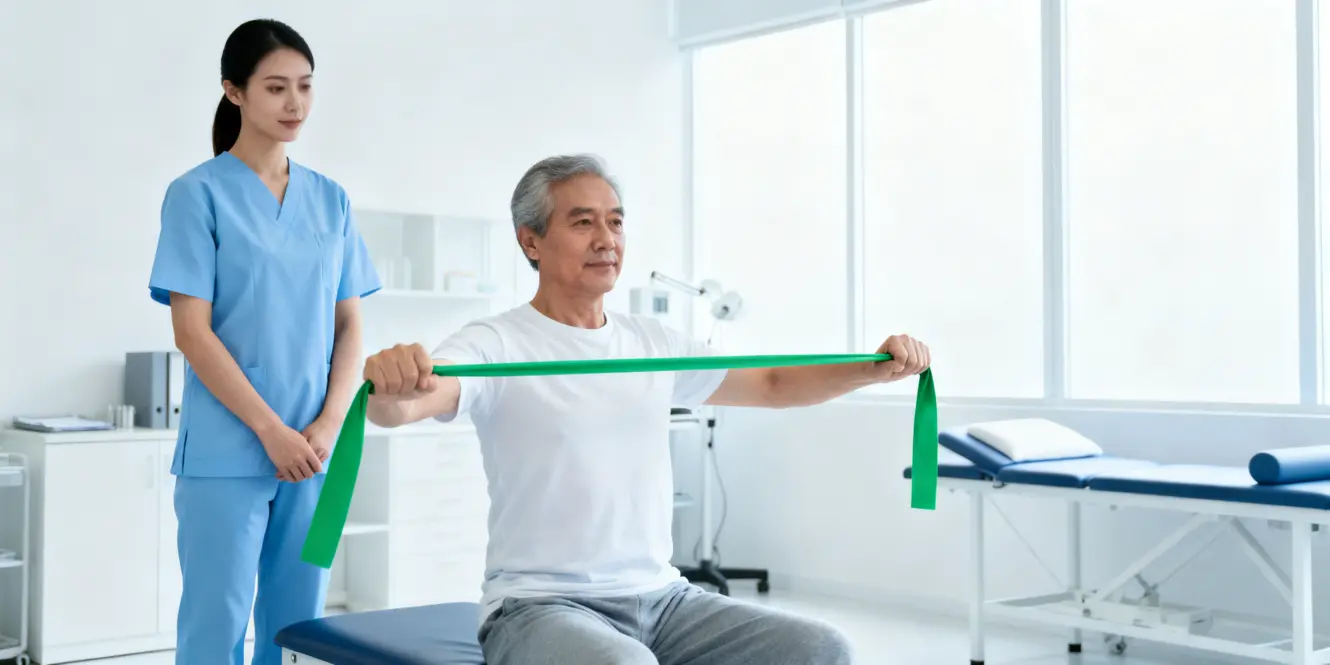
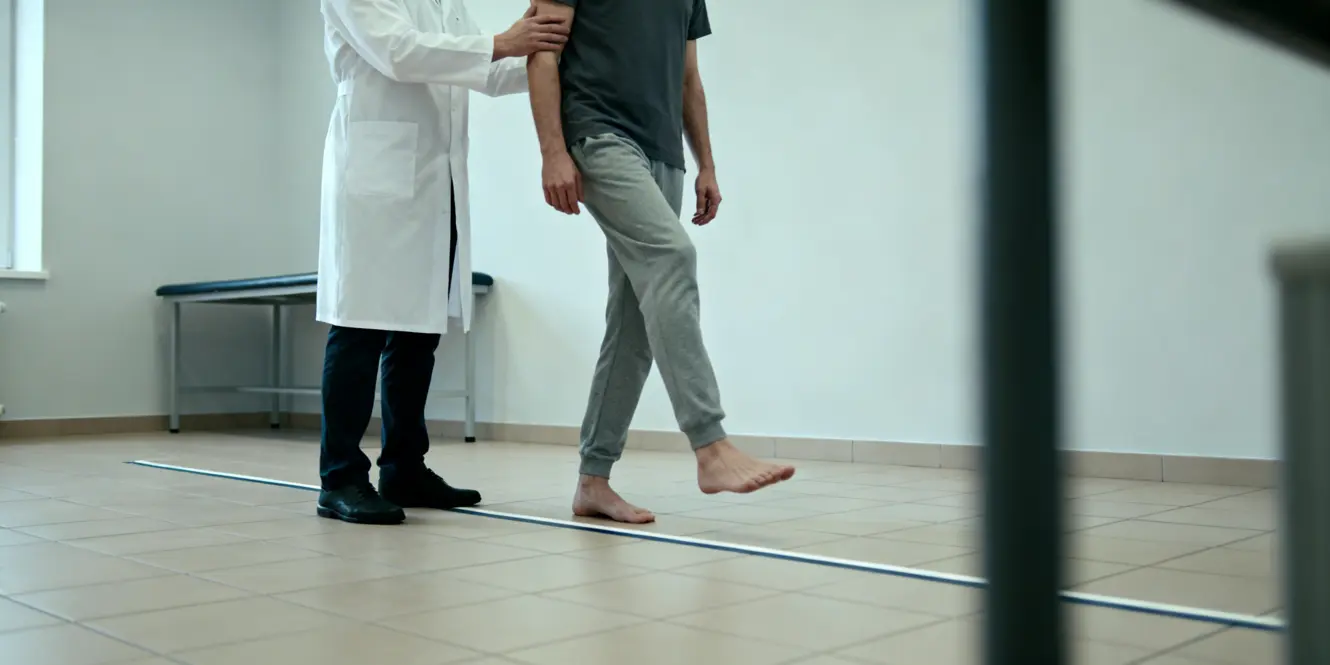
Chronic and systemic conditions often affect more than one part of the body at the same time. They may influence energy, endurance, pain levels, circulation, breathing, mobility, and overall quality of life. Physiotherapy for chronic and systemic conditions focuses on helping people move better, tolerate activity more confidently, and manage symptoms in a practical, sustainable way.
This service is designed for individuals whose health challenges have become part of daily life and who want structured support to stay active, capable, and independent. It is especially valuable for those who feel limited by recurring flare-ups, reduced stamina, or pain that seems to affect everything they do.
You may benefit from this service if you are experiencing:
- Ongoing pain or stiffness that keeps returning and interferes with daily routines
- Low endurance or fatigue during walking, household activities, or basic exercise
- Reduced mobility caused by a condition that affects joints, muscles, lungs, circulation, or nerves
- Recurrent flare-ups that make it hard to stay consistent with movement or activity
- A noticeable decline in balance, confidence, or strength due to long-term health issues
- Difficulty staying active after surgery, illness, or a major health event
Benefits
The main benefit of physiotherapy for chronic and systemic conditions is better control over daily life. The goal is not just symptom reduction, but better physical function, better tolerance for movement, and better confidence in managing the body over time.
Key benefits of a tailored care plan include:
- Improved Daily Function — making walking, standing, climbing stairs, and household activity easier to manage
- Pain and Stiffness Reduction — improving joint mobility, muscle support, and movement efficiency
- Increased Endurance — helping you do more without becoming exhausted so quickly
- Better Movement Confidence — reducing fear around activity and helping you return to movement safely
- Support During Flare-Ups — giving you strategies to manage symptoms without losing all progress
- Long-Term Condition Management — building routines that support your body instead of reacting only when symptoms get worse
Conditions Treated
We look at how multiple symptoms and systems interact, rather than treating one issue in isolation. For example, poor endurance may be connected to pain, weakness, breathing limitations, and fear of movement all at once.
Our physiotherapy team commonly supports people living with:
- Arthritis and Degenerative Joint Disease — including osteoarthritis and rheumatoid arthritis
- Osteoporosis and Bone Health Concerns — improving strength, posture, and fracture prevention
- Chronic Pain Syndromes — including long-term back pain, spinal stenosis, and persistent musculoskeletal pain
- Cardiopulmonary Conditions — such as COPD, reduced stamina, and post-cardiac recovery support
- Neurological Conditions — including Parkinson’s disease, stroke recovery, and balance-related dysfunction
- Post-Surgical Recovery — especially when long-term weakness, stiffness, or reduced confidence remain after surgery
Recovery Outcome
We focus on helping you function better in real life — not just in the clinic. That means improving the physical abilities that help you stay independent, active, and involved in the things that matter to you.
What progress may look like with chronic and systemic condition rehabilitation:
- More Consistent Mobility — moving with less hesitation and greater comfort day to day
- Improved Tolerance for Activity — handling walking, errands, light exercise, or social outings with less fatigue
- Reduced Symptom Disruption — experiencing flare-ups that feel more manageable and less controlling
- Greater Physical Confidence — feeling more capable in your body and less limited by fear of pain or weakness
- Better Quality of Life — staying more active, engaged, and independent despite ongoing health challenges
More Services
Explore more for Related Services
Musculoskeletal Conditions
Helping people manage long-term health conditions with movement-based care that improves function, reduces discomfort, and supports everyday independence.
Neurological & Balance Issues
Helping people manage long-term health conditions with movement-based care that improves function, reduces discomfort, and supports everyday independence.
Sports-Related Injuries
Helping people manage long-term health conditions with movement-based care that improves function, reduces discomfort, and supports everyday independence.